Why a Written Fragrance Brief Decides Your Shower Gel Project
Fragrance is usually the single most expensive and most emotionally loaded component of a shower gel. It drives repeat purchase, it drives reviews, and it is the element buyers most often try to describe in a single sentence: "something fresh, like a spa." That sentence, sent to a manufacturer, can produce a sample that is technically correct and commercially useless.
A fragrance customization brief is the document that turns a vague sensory idea into a reproducible specification. For importers, distributors, private-label brand owners and retail category buyers, the brief is also your protection: it defines what the manufacturer is asked to match, what will be evaluated, and what will be signed off before bulk production begins.
This article sets out what to include in that brief, section by section, and how to run the sampling loop so that the approved scent actually survives the trip from lab sample to container load.
Section 1: Commercial Context and Target Market
Start with the business frame, because it changes how the fragrance house approaches the brief. A value-tier supermarket line and a premium gifting SKU can share the same olfactory family and still need completely different raw material strategies.
- Brand positioning: mass market, masstige, natural/organic positioning, clinical/dermatological, or gifting.
- Retail channel: supermarket, pharmacy, beauty specialty, discount chain, e-commerce, or export wholesale.
- Target consumer: age band, gender skew, climate, and bathing habits. A humid tropical market and a cold dry market tolerate very different fragrance intensities.
- Price architecture: the retail price band you are working to, and whether fragrance cost is a constraint or a differentiator.
- Volume plan: first order quantity and expected annual repeat volume, expressed as ranges. Confirm the current MOQ and lead time with our sales team rather than assuming a figure.
This section prevents the most common mismatch in OEM projects: a beautifully constructed fine-fragrance style accord proposed for a product that has to hit a discount price point.
Section 2: The Olfactory Direction — Be Specific, Not Poetic
"Fresh" and "clean" are not directions; they are categories. Give the fragrance house a structure it can work inside.
Name the family and the top three notes
Use standard perfumery language so there is a shared vocabulary. For example: floral-aquatic with a green top note, or fruity-floral gourmand with a vanilla base. Then list two or three anchor notes you definitely want to smell, and two or three you definitely do not.
Describe the trajectory, not just the opening
Shower gel fragrance is judged in a very short window — during the shower and immediately after. Ask for a description of the top note, the heart, and the dry-down, and state which one matters most for your product. Many buyers care most about the in-use bloom and the skin-after feel rather than the scent in the bottle.
Give references properly
Reference products are useful, but only when framed correctly. Instead of "make it smell like Brand X," say: "We like the brightness of the opening in reference A, but we want a softer, less sweet base." This keeps the brief on the right side of intellectual property while still communicating intent.
Section 3: Technical and Regulatory Constraints
This is the section buyers most often omit, and it is the one that causes reformulation late in the project. Ask your manufacturer to confirm each point in writing.
- Fragrance load: the target percentage in the finished formula, and the acceptable range. Higher load usually means higher cost and greater stability risk.
- Surfactant system: the base must be named, because fragrance components interact differently with different surfactant blends and thickeners.
- Colour: the dye system and its interaction with the fragrance. Some accords discolour over time in a clear bottle.
- pH and viscosity: the target specification range, since some fragrance raw materials shift pH or thin the gel.
- Allergen and labelling requirements: the fragrance allergens that must be declared in your destination market, and how they will be listed.
- Restricted substances: any ingredients your market restricts or that your brand has committed to excluding.
- Documentation: the safety and compliance documents you need for your market. Ask for the latest test documentation during sampling so nothing is left to the eve of shipment.
If you are selling into more than one country, say so at the brief stage. A single fragrance can sometimes be documented for multiple markets, but only if the manufacturer knows the full list up front.
Section 4: Packaging, Format and How the Scent Is Experienced
The same fragrance behaves differently in a 250ml opaque tube and a 1L clear pump bottle. Tell the manufacturer the final pack so the sample is evaluated in a realistic context.
- Pack size and format: bottle, tube, pouch, refill, or sachet.
- Material and colour: clear PET, opaque HDPE, recycled content, or glass-look.
- Closure type: flip-top, disc-top, pump, or push-pull cap, and whether a secondary pack or gift box is planned.
- Labelling: label artwork dimensions, shrink sleeve, or direct print, plus any multilingual requirements.
- Shelf-life expectation: the period over which the scent must remain stable and the storage conditions it will face in your market.
If you plan a matching shampoo, body scrub, body oil or conditioner in the same range, include them in the brief now. A coordinated range is easier to build as one fragrance family than as four separate projects.
Section 5: Running the Sampling Loop Efficiently
Sampling is where most of the calendar time is spent, and most of it is wasted on unclear feedback. Structure it.
Ask for a manageable first round
Two to four directions per round is usually more productive than ten. More variants do not speed up a decision; they slow one down.
Evaluate in the right conditions
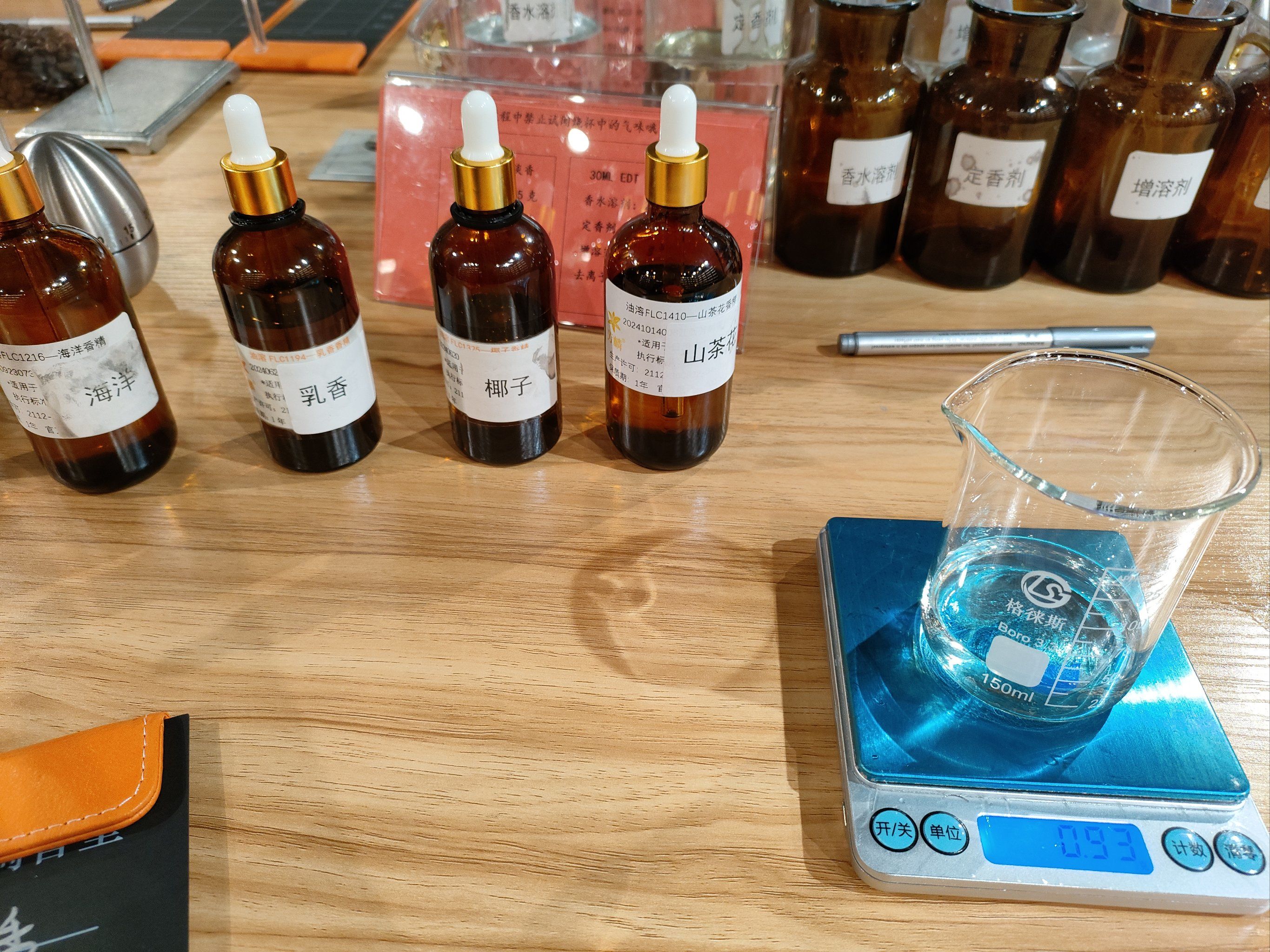
Smell the sample on a blotter, then diluted in warm water, then on skin. Record notes immediately — olfactory memory fades within minutes.
Give structured feedback
For each variant, state: keep, adjust, or reject; which note is too strong or too weak; and whether the issue is the opening or the dry-down. "Variant B, but 20% less sweetness in the base" is actionable. "Not quite right" is not.
Plan for the scale-up gap
A lab sample and a production batch are not identical. Ask how the fragrance will be dosed in bulk, how it is added to the base, and what in-process checks confirm the batch matches the approved standard. Confirm the retention sample arrangement so you have a physical reference for future orders.

Section 6: A Copy-Ready Brief Checklist
Use this as the skeleton of the document you send. Anything left blank becomes an assumption someone else makes for you.
- Brand positioning, target market, retail channel and price band
- Target consumer profile and climate of the selling market
- Fragrance family, two to three anchor notes, and notes to avoid
- Top/heart/dry-down priorities and intended in-use intensity
- Reference products described by attribute, not by brand name
- Fragrance load target and acceptable range
- Base formula, colour, pH and viscosity specifications
- Allergen declaration and restricted-substance list for each destination market
- Required compliance documentation and when you need it
- Pack format, size, material, closure and labelling method
- Shelf-life target and storage conditions
- Related SKUs in the same range (shampoo, conditioner, body scrub, body oil)
- Sampling rounds planned, feedback deadline, and who signs off
- Target first order volume range and repeat volume estimate
A well-built brief does not guarantee a hit fragrance, but it reliably shortens the path to one. It also gives you a documented standard to hold a supplier to across repeat orders, which matters more than the first shipment ever does.
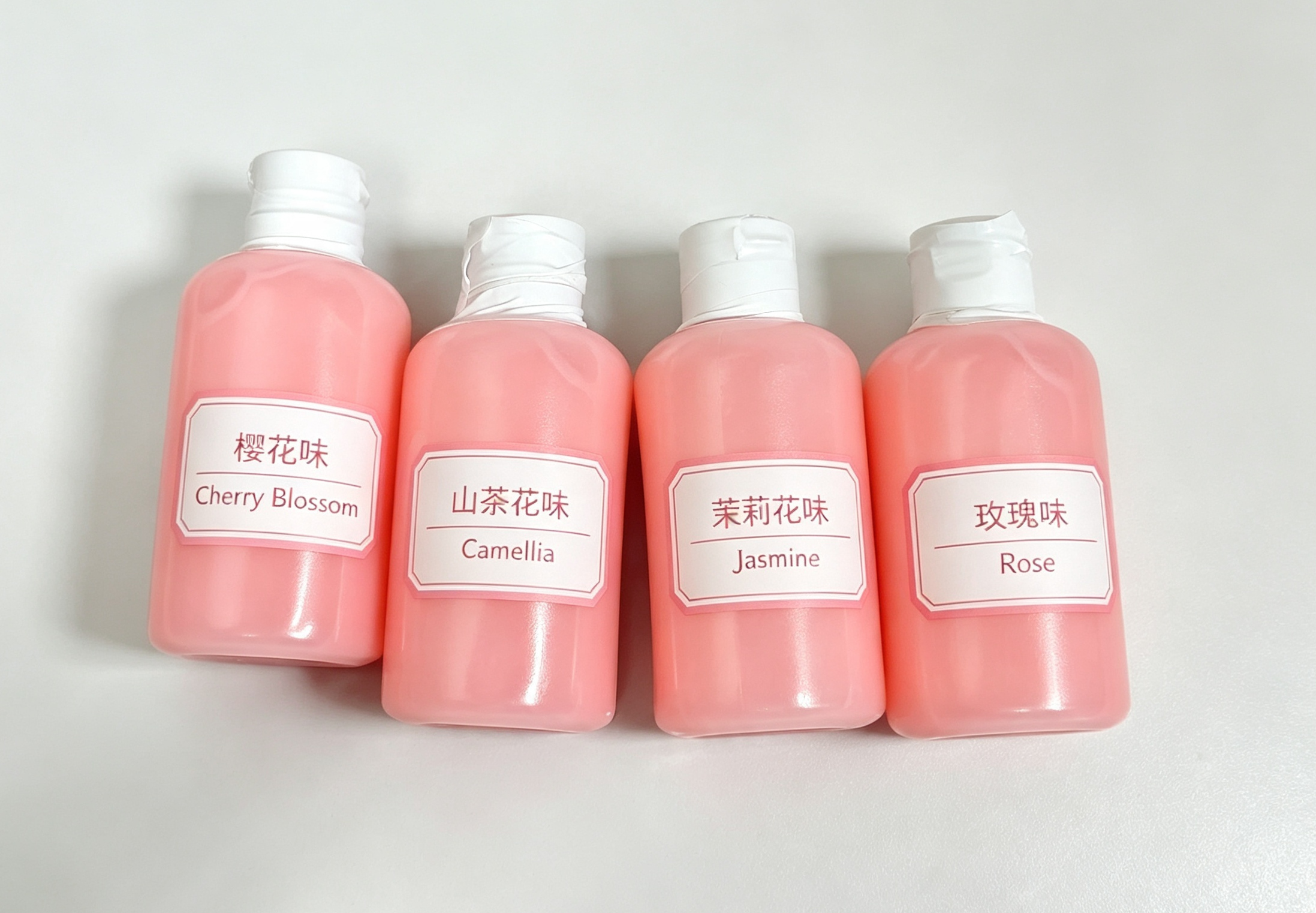
Ready to turn your fragrance concept into a production-ready specification? Review our shower gel and body care manufacturing capabilities at our product range, or send your draft brief to our team and we will tell you exactly what information is still missing.